What Is a Mortise Lock and Why Do Glendale Homes Have So Many of Them?
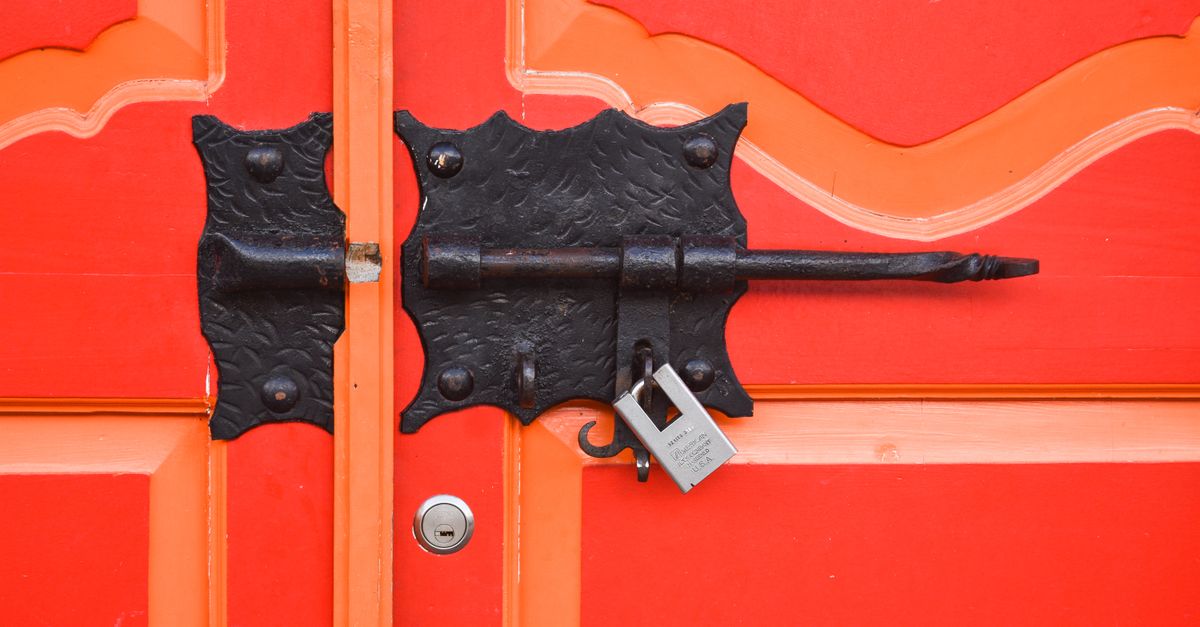
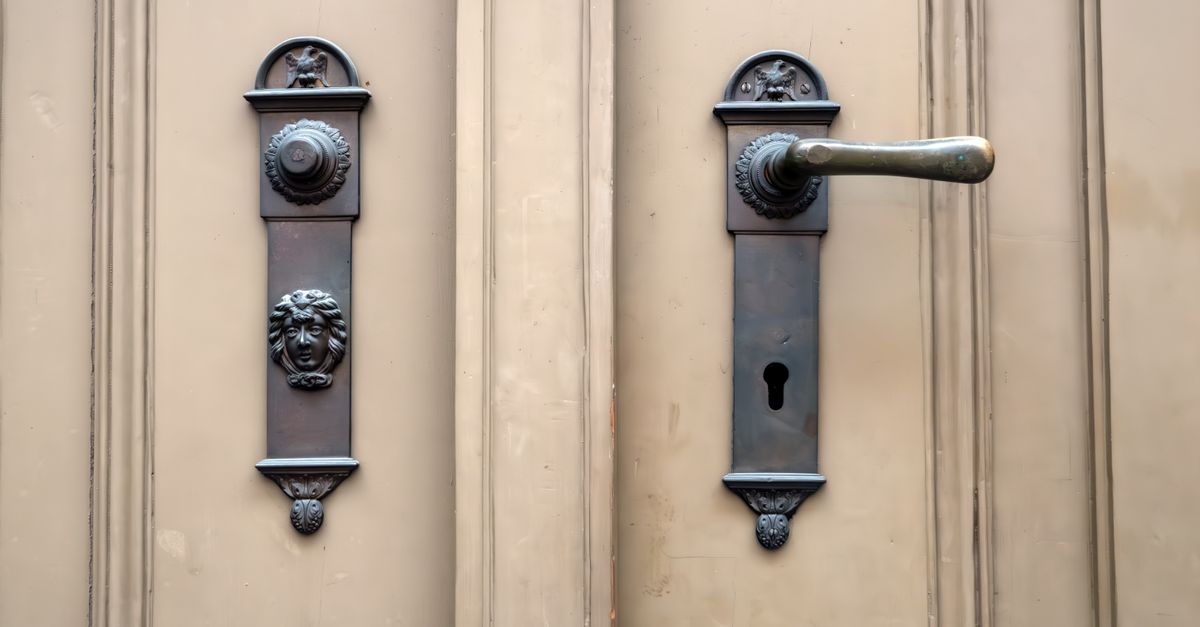
A mortise lock is a complete locking cassette — containing the latch bolt, deadbolt, strike, and trim all in one self-contained unit — that is installed inside a routed pocket (the 'mortise') cut directly into the door's edge. Because the entire mechanism is embedded in the door rather than bolted onto its face, a properly fitted mortise lock is significantly harder to kick in or pry open than a typical cylindrical knob lock or deadbolt combination. Builders in Glendale's early-development decades, roughly the 1910s through the 1950s, specified mortise hardware almost universally on exterior doors, and many of those originals are still in service today. You will also find them on interior communicating doors in older hotels and commercial buildings along Glendale Avenue and Brand Boulevard, where the look and the function have simply been too good to replace.
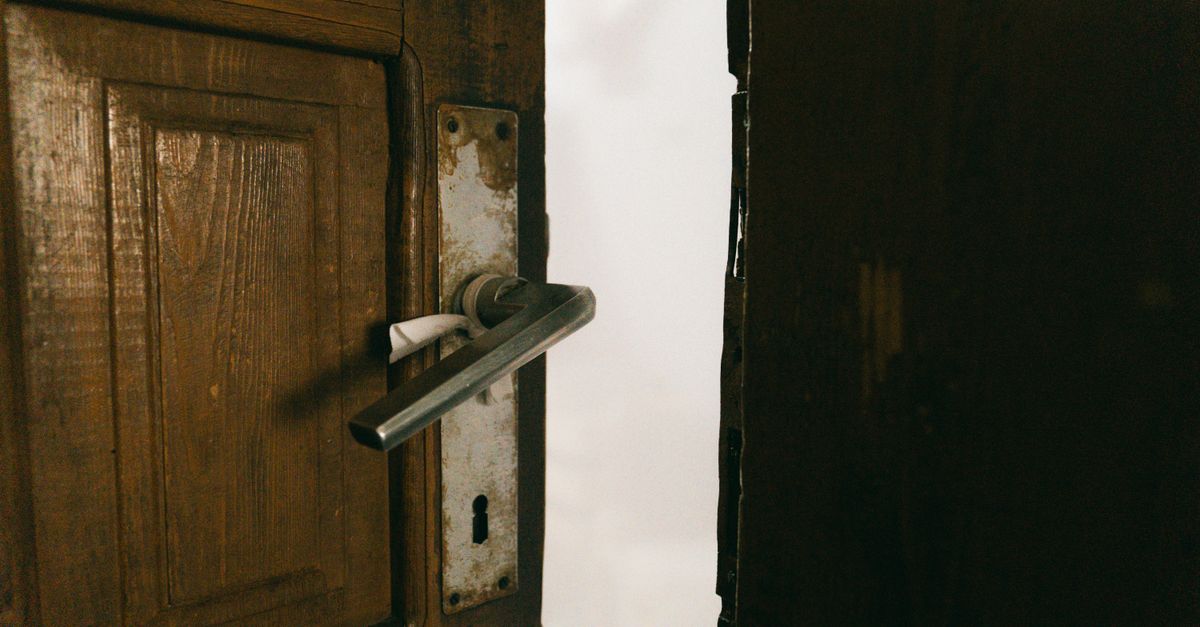
Understanding what is a mortise lock also means understanding its vulnerability over time. The internal case contains a series of springs, cams, and levers. When lubrication dries out or corrosion sets in, any one of those components can seize or fracture. A failing mortise lock often telegraphs its condition: the lever handle feels loose or droops, the latch does not retract fully, the cylinder turns but nothing moves, or the deadbolt throws only halfway. At that stage, a trained technician can often rebuild or repair the existing case rather than replace the entire unit — which matters enormously when the door and its original hardware are part of what makes a historic Glendale property attractive.