What Our House Lockout Service Actually Involves — and Why Method Matters
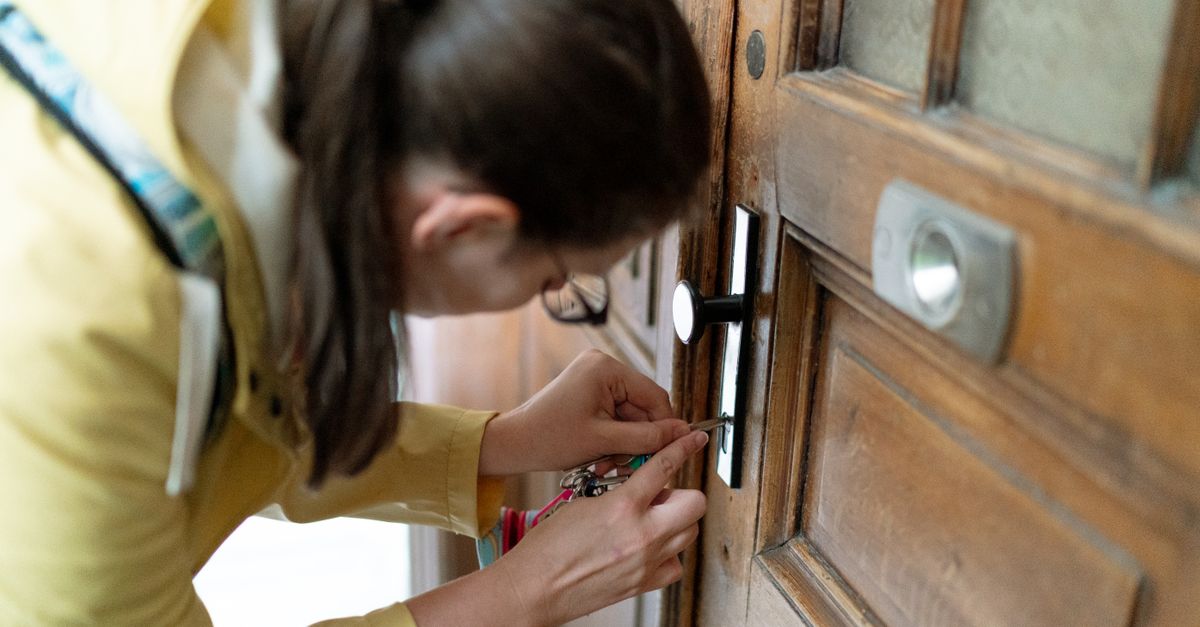
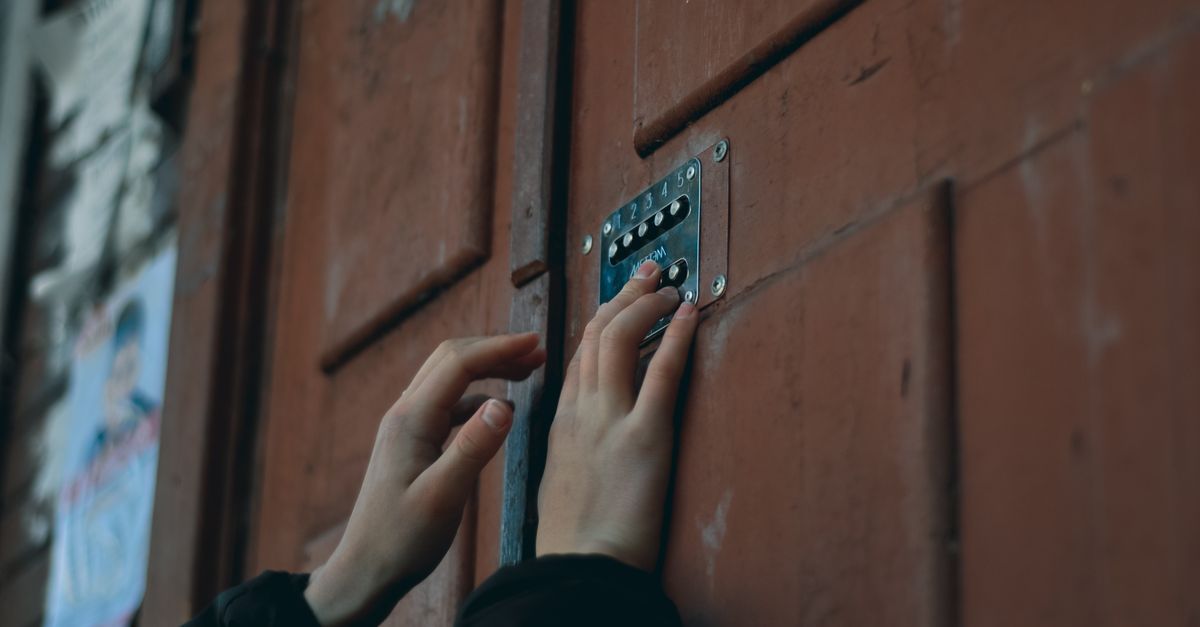
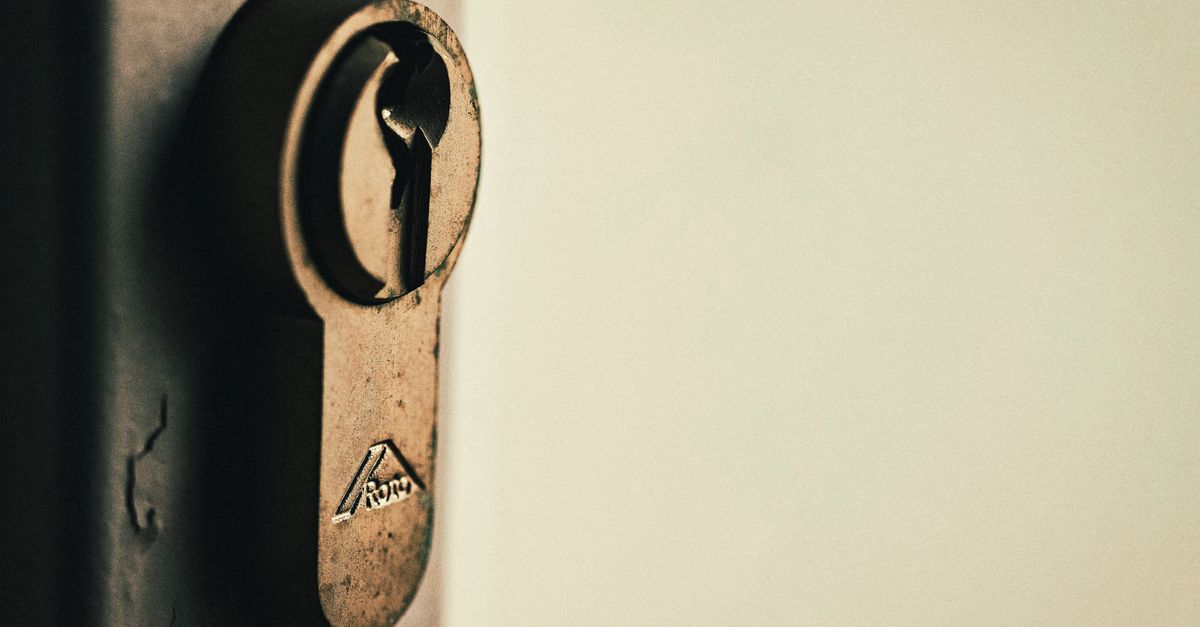
A house lockout is not a single, one-size-fits-all situation. The right approach depends on the type of lock securing your door. A door knob lock with a simple spring latch is handled very differently from a heavy-duty mortise lock — the kind built into a single steel pocket inside the door edge, commonly installed in pre-1970s Glendale homes and many multi-unit buildings along Kenneth Road. Mortise lock service is one of our core specialties precisely because these locks require a technician who understands their internal cartridge, cam, and cylinder mechanism. Forcing or improvising on a mortise lock can crack the lock body or damage the door stile, turning a lockout into a far more expensive repair. Our technicians assess the hardware before touching anything and choose the least invasive method available.
We also check what many callers overlook before we begin: whether a secondary entry point — a back door, garage entry, or a window accessible from a safe ground-level position — has been left unsecured. This is not about coaching anyone on bypassing locks; it is standard professional practice to confirm the fastest and least disruptive path back inside is used first. Once we confirm ownership of the property, work begins immediately. Every step is damage-free where the lock and door condition allow it, and our technician explains exactly what they are doing and why.