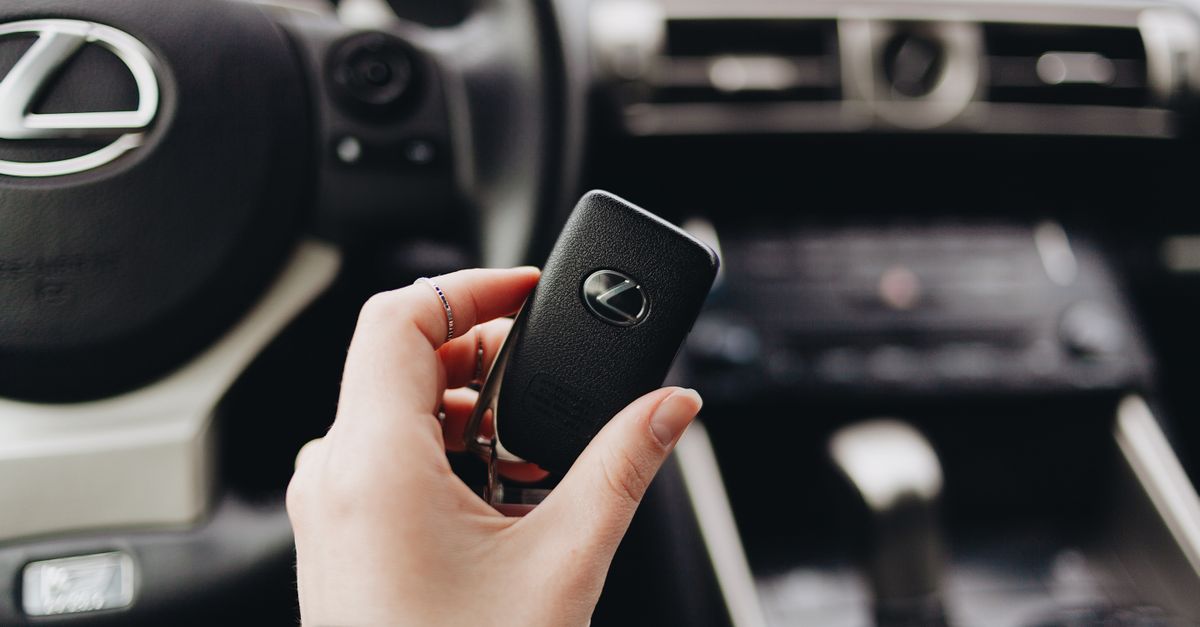
Acura Car Key Replacement: What Makes Acura Keys Different From the Average Cut
Acura's key technology has evolved through several generations, and the type of key your vehicle uses determines everything about how a replacement is made. Older Integra models from the late 1990s and early 2000s use a basic transponder chip embedded in the key head — the chip must be cloned or registered to the ECU, or the engine simply will not start even if the cut is mechanically perfect. Mid-generation vehicles like early TLX and RDX models use a remote head key that combines a transponder with a fob, requiring both a precise laser or high-security blade cut and a radio-frequency programming sequence. The newest Acura MDX and RDX trims use proximity smart keys: the car detects the key's encrypted rolling code passively, meaning there is no physical ignition cylinder to turn — the replacement must be programmed with dealer-level software before it functions at all.
This layered complexity is exactly why a kiosk-style key-copy approach simply does not work for modern Acuras. Services that market themselves around copying any key at a self-service kiosk — typically found inside grocery stores — can duplicate basic, non-chipped house keys or older vehicle keys without electronics. An Acura smart key or transponder key copied at one of those stations will cut the blade correctly but will never start the car, because the immobilizer chip remains unprogrammed. Our mobile technicians carry OBD-II compatible programming devices and manufacturer-grade software that communicate directly with your Acura's ECU, ensuring every replacement key we produce is fully functional — not just a shaped piece of metal.