What Is a Mortise Lock and Why It Matters for Commercial Doors
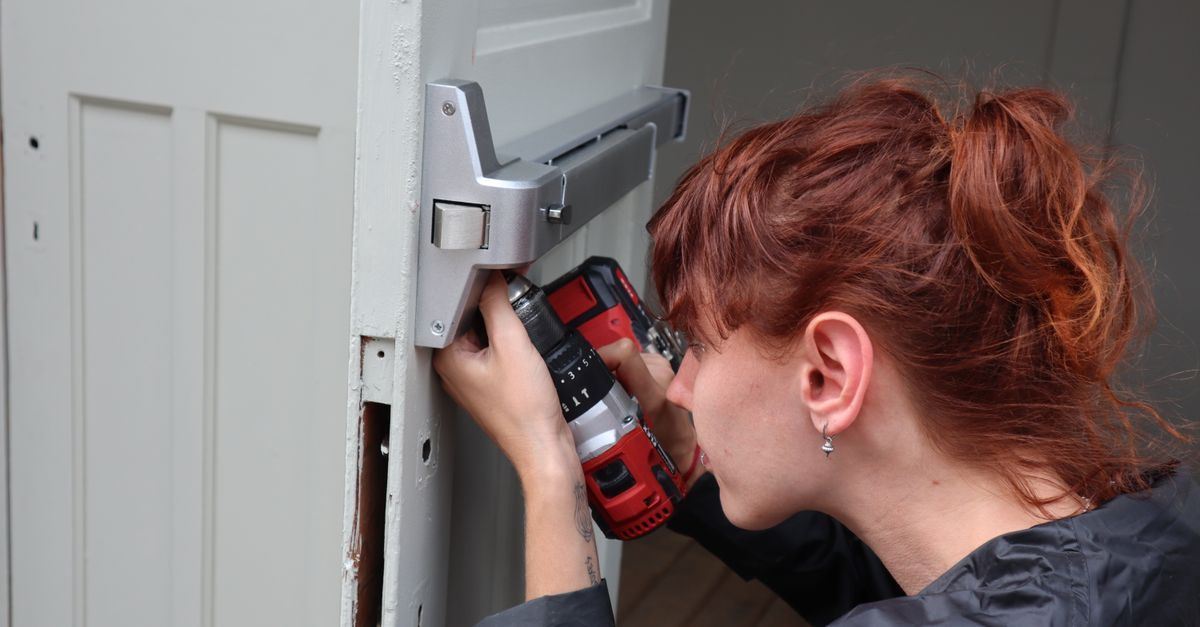
A mortise lock is a complete locking mechanism — latch bolt, deadbolt, and sometimes a passage function — assembled into a single metal case that is recessed into a pocket (the mortise) cut into the edge of the door. Unlike a cylindrical lock, which passes a single bolt through the door's face bore, a mortise lock set distributes stress across a much larger surface area of the door and frame. That structural advantage is why commercial building codes, architects, and facility managers consistently specify mortise hardware for doors that see hundreds of openings per day. It also explains why a properly installed mortise lock cylinder can resist forced-entry attempts that would shatter a standard knob lock in seconds.
For Glendale businesses — think the dense retail corridors around Central Avenue, the medical office parks near Adventist Health Glendale, or the older mixed-use buildings in the Montrose-Verdugo City area — door construction varies widely. Hollow-metal storefront frames, solid-wood office doors, and aluminum-frame glass doors each require a different mortise lock body, trim, and cylinder configuration. Our technicians assess the door, frame, and traffic volume before recommending a specific product, so you are never sold hardware that is over-specified for a low-traffic interior door or, far worse, under-specified for a busy exterior entry.